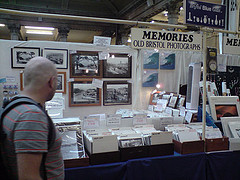
Business owners have many factors to consider when choosing the perfect location. Here are a few of the more common types of retail locations:
Mall
The mall houses a lot of retailers competing with each other, ranging from kiosks to large anchor stores. Generally, there are 3 to 5 anchor stores, or large chain stores, and then dozens of smaller retail shops. The rent in a mall location is typically much higher than other retail locations. This is because of the large amount of customer traffic a mall generates. Before you select a mall as your store location, be sure that the shopper demographic matches the description of your target market. Also, take into consideration that you will have to adhere to a set of rules set by the mall management, sacrificing independence.
Shopping Center
Similar to the malls, strips mall and other attached, adjoining retail locations will also have guidelines or rules implemented for their tenants. Probably more lenient compared to a mall, but make sure that you can live with them before signing a lease. Your community probably has a lot of shopping centers in various sizes. Some shopping centers may have as few as 3 units or as many as 20 units. The types of retailers, the good and services offered, in a strip mall may also vary. One factor you need to look into before choosing this locations if the parking. Smaller shopping centers and strip malls may have a limited parking area for your customers.
Downtown Area
This type of store location is another top choice like the mall. You’ll have more freedom and fewer rules to adhere to. Many communities are hard at work to revitalize their downtown areas and retailers can greatly benefit from this effort. Like the shopping center location, the lack of parking space is generally a big issue for downtown retailers. You’ll find many older, well-established specialty stores in a downtown area. These types of stores seem to thrive in the downtown setting.
Free Standing Locations
This type of retail location is basically any stand-alone building. It can be tucked away in a neighborhood location or right off a busy highway. Depending on the landlord, there are generally no restrictions on how a retailer should operate his business. It will probably have ample parking and the cost per square foot will be reasonable. The catch for that freedom is customer traffic. Unlike the attached retail locations where customers may wander in because they were shopping nearby, a free standing retail location has to work at marketing to get the customers inside.
Office Building
The business park or office building may be another option for a retailer, especially when they cater to other businesses. Tenants share maintenance costs and the image of the building is usually upscale and professional.
Home-based
More and more retail businesses are getting a start at home. Some may eventually move to a commercial store location, while many remain in the business owner’s spare room. This type of location is an inexpensive option, but growth may be limited. It is harder to separate business and personal life in this setup and the retailer may run into problems if there isn’t a different address and/or phone number for the business.
The author recommends Sqwishland Retail for wholesale bulk toys supplies like squishy squinkies toys
Article from articlesbase.com
Find More Independent Retailer Articles